Shortlands house removals tips for narrow street properties
Posted on 16/07/2026
Shortlands House Removals Tips for Narrow Street Properties
If you are moving in Shortlands and your street barely leaves room for one parked car, you already know the real challenge is not just lifting boxes. It is access. It is timing. It is the awkward bit where a van arrives, a neighbour's car is in the way, and everyone suddenly becomes very interested in who can reverse best. These Shortlands house removals tips for narrow street properties are designed to help you avoid exactly that sort of morning chaos.
Narrow roads need a different approach from a standard move. You have to think about vehicle size, parking, carrying distance, fragile items, neighbours, and whether the front door is actually the easiest route. In this guide, we will walk through the practical steps that make tight-access moving feel manageable rather than stressful. If you want a wider view of local moving support, you can also browse house removals in Bromley and the broader services overview for context.
Truth be told, narrow street moves are rarely difficult because of one huge problem. They become difficult because of six small ones all happening at once. That is what this article helps you untangle.
Contents
- Why Shortlands house removals tips for narrow street properties Matters
- How Shortlands house removals tips for narrow street properties Works
- Key Benefits and Practical Advantages
- Who This Is For and When It Makes Sense
- Step-by-Step Guidance
- Expert Tips for Better Results
- Common Mistakes to Avoid
- Tools, Resources and Recommendations
- Law, Compliance, Standards, or Best Practice
- Options, Methods, or Comparison Table
- Case Study or Real-World Example
- Practical Checklist
- Conclusion
- Frequently Asked Questions
Why Shortlands house removals tips for narrow street properties Matters
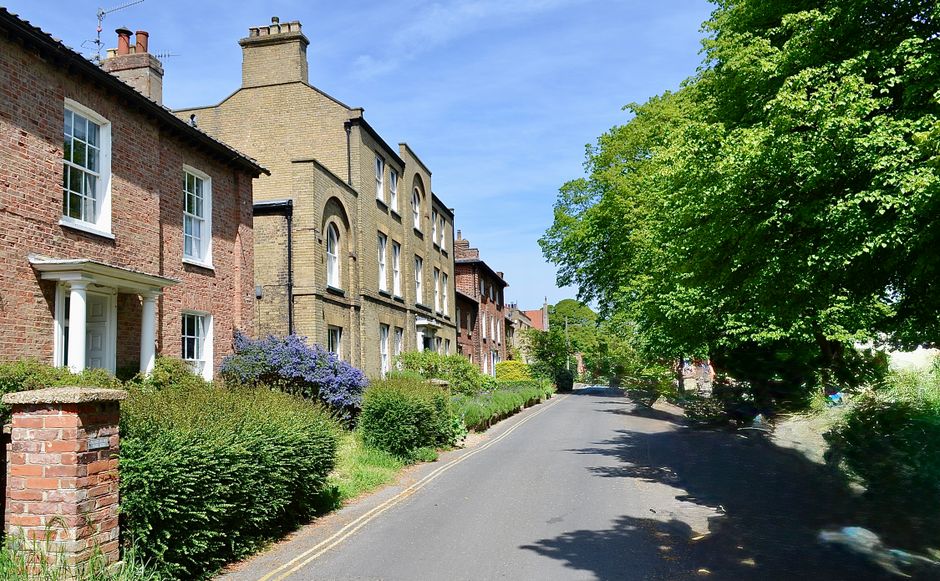
Shortlands includes plenty of residential streets where parking is limited, bends are tight, and kerb space disappears quickly. On a good day, that means a move takes a little more planning. On a bad day, one poorly parked van can block access, delay loading, and turn a tidy relocation into a slow shuffle of boxes down the pavement.
Why does this matter so much? Because house removals are usually measured in time, access, and handling. Narrow streets affect all three. A van that is too large may not fit cleanly. A parking spot that looks workable on a sketch may be unusable once bins, driveways, and neighbour cars are added into the picture. Even a short carry from the van to the front door can add fatigue and risk when repeated dozens of times.
For families moving from terraced homes, period properties, or compact semis, the difference between a smooth day and a messy one is often found in the planning. That is also why many people compare man with a van Bromley options with more traditional crews, especially when access is the main concern rather than sheer volume of furniture.
Expert summary: In narrow street properties, the move is won or lost before the first box leaves the hallway. Good access planning beats last-minute effort every time.
How Shortlands house removals tips for narrow street properties Works
The basic principle is simple: reduce uncertainty before moving day. That usually means mapping the street access, choosing the right vehicle size, and splitting the job into clear stages so nobody is improvising while balancing a wardrobe on a slope. Simple? Yes. Easy? Not always.
In practice, a narrow street move tends to work best in this sequence:
- Check access early. Look at road width, parking restrictions, turning space, and any pinch points near your door.
- Choose the right vehicle. Sometimes a smaller van with more trips is better than one oversized vehicle that cannot park properly.
- Pre-pack for carrying distance. Boxes should be manageable because a longer carry across a narrow pavement can become tiring very quickly.
- Protect the route. Clear hallways, remove loose mats, and think about anything that could catch or trip when the team is moving in and out.
- Load in order. Heavy and awkward items first, then boxes, then lighter pieces. That saves back-and-forth and reduces clutter near the door.
The process is even more efficient when you use specialist support for awkward furniture. Items such as wardrobes, dining tables, or upright pianos can complicate a tight access move. If you have one of those on the list, it may be worth looking at furniture removals in Bromley or, for heavier instruments, piano removals Bromley.
Key Benefits and Practical Advantages
There are real upsides to planning a narrow-street move properly. The most obvious one is that the day feels calmer. But there are a few more practical benefits too.
- Less risk of vehicle issues. A well-matched van is easier to position and less likely to cause access problems.
- Shorter loading time. When parking and route planning are sorted, the crew can focus on moving items instead of working around obstacles.
- Lower damage risk. Fewer awkward turns and fewer rushed carries usually means fewer scuffed walls and bumped corners.
- Better neighbour relations. A move that is quiet, tidy, and organised is far less likely to annoy the people next door.
- More predictable costs. A move with fewer delays is easier to estimate and less likely to drift because of avoidable waiting time.
That last point matters more than people expect. Once a move starts dragging, stress rises. And stress makes everything feel harder, even opening a gate or finding the right box labels. A clean setup is just nicer to live through.
Who This Is For and When It Makes Sense
This advice is for anyone moving from a property on a narrow road, a cul-de-sac with limited turning room, or a street where parking is always a negotiation. It is especially useful if your home is a Victorian terrace, a compact family house, or a property with shared access and tight pavement space.
You will also find it useful if you are:
- moving with a lot of furniture rather than just boxes
- trying to avoid blocking access for neighbours
- working to a same-day deadline
- moving in or out of a short-stay rental, family home, or first purchase
- trying to reduce how many times people have to carry items up and down the street
For people moving between smaller homes, it can help to compare the benefits of a more compact move against a full-scale operation. A well-organised flat removals Bromley service, for instance, can be ideal where access is tight and the load is moderate. Students and young professionals often face the same sort of access headaches, just with fewer bookcases and more laundry bags. Same problem, smaller scale.
If you are not sure whether your move is straightforward enough for a simple van service, it is usually sensible to review the wider man and van Bromley and removal services Bromley pages to understand the available support levels.
Step-by-Step Guidance
The easiest way to handle a narrow street property move is to work through it in order. One rushed assumption early on can cause a dozen little delays later. Here is a practical step-by-step approach.
1. Measure the access properly
Measure the width of the street if possible, but also note parked-car pinch points, lamp posts, overhanging trees, low branches, and tight corners. A street that seems wide enough from one end may narrow halfway down. It happens all the time.
Take photos. A quick phone video can be more useful than a rough description over the phone because it shows the slope, turning space, and where a van would realistically stop.
2. Decide where the van can safely wait
Do not assume the front door will be the loading point. Sometimes the best option is slightly further away with a safer approach route. That might mean a short walk, but a short walk is often better than a van wedged into a bad angle with everyone waiting for a gap in traffic.
3. Plan the loading order
Put awkward or heavy items near the exit first, but not so early that they block movement inside. A narrow hallway can become unusable if you stack too much in it. Keep the route from room to van as clear as you can.
4. Prepare your packing for easy carrying
Use small-to-medium boxes for books, kitchen items, and anything dense. Oversized boxes may look efficient, but they are often awkward on stairs and painful to carry down a tight pavement. Honestly, the big box is usually the one that ruins the mood.
If you want better box strategy, the site's packing and boxes Bromley page is worth a look.
5. Protect the property and route
Use floor coverings, remove loose obstacles, and keep doors open where safe. If you have narrow internal doorframes, think carefully about furniture angles before moving day. A few minutes of preparation can save a chipped wall or a jammed sofa leg.
6. Check arrival timing
Give yourself breathing room. Morning traffic, school runs, and local parking pressure can all make a tight street more difficult than expected. A move that starts 30 minutes early often feels far calmer by midday. Small win, but it counts.
Expert Tips for Better Results
Here is where small details really pay off. These are the things that experienced movers tend to notice quickly, because they have seen what happens when they are ignored.
- Use duplicate keys. In a narrow street move, someone always needs to move quickly between the van and the property. Spare keys avoid a pointless delay.
- Keep a "first hour" box. Put phone chargers, kettle items, toilet paper, snacks, and basic tools in one easy-to-reach box.
- Label by room and priority. "Kitchen - open first" works better than vague labels like "misc."
- Avoid loose odds and ends. Random bags, toys, plant pots, and coat hangers create clutter and slow down the whole chain.
- Think about neighbours. A quick chat the day before can prevent friction if the van needs a temporary stop.
- Keep fragile items separate. Don't bury glassware under blankets and hope for the best. That is not a plan. That is a hope.
One practical tip that often gets missed: if you have a narrow front path, check whether the removal team can carry items out in a straight line or whether they need a turn at the threshold. That one detail can decide whether a sofa makes it out cleanly or needs dismantling. For awkward items, professional furniture removals support can save a lot of stress.

Common Mistakes to Avoid
Most move-day problems are avoidable. Not all of them, but most. Here are the big mistakes that tend to cause trouble in narrow street properties.
- Choosing a van before checking access. Bigger is not always better if the street is tight.
- Leaving parking to chance. "We'll sort it on the day" is a risky phrase in Shortlands.
- Overfilling boxes. Heavy boxes slow everything down and increase injury risk.
- Ignoring stairs and internal bottlenecks. The street is only half the story; the hallway matters too.
- Not allowing for extra walking distance. Even 15 extra metres can make repeated carries exhausting.
- Skipping insurance checks. Accidents are rare, but they are less stressful when you know what is covered.
People also forget the emotional side. A narrow street move can feel a bit exposing. Everyone can see the process. Everyone can hear the trolley wheels. There is a strange pressure to look efficient, which is mildly ridiculous, but very human. The answer is simple: stay organised and keep moving steadily.
Tools, Resources and Recommendations
You do not need a van full of specialist equipment for a standard house move, but a few things make life noticeably easier.
| Tool or Resource | Why It Helps | Best Used For |
|---|---|---|
| Furniture blankets | Protect furniture and doorframes during tight manoeuvres | Large items and awkward turns |
| Dolley or sack truck | Reduces carrying strain on longer walks from van to door | Boxes, appliances, and heavier loads |
| Strong tape and labels | Keeps packing organised and speeds unpacking | Room-by-room sorting |
| Box cutter or scissors | Useful for quick access at the destination | Opening boxes and reassembly prep |
| Floor protection | Reduces scuffs on halls, steps, and landings | Busy internal routes |
If you are moving a mixed load, it may help to review removal van Bromley options so you can match the vehicle size to the actual street layout. That is often more useful than guessing from photos alone.
Some moves also benefit from temporary storage if access is especially difficult or if completion dates do not line up neatly. In that case, storage in Bromley can be a practical buffer rather than forcing everything into one pressured day.
Law, Compliance, Standards, or Best Practice
Moving home in the UK brings a few practical obligations, even when the move itself is fairly informal. You do not need to become a lawyer to stay on the right side of things, but a little care goes a long way.
For example, parking restrictions, dropped kerbs, yellow lines, and loading limits all matter. Local streets can have rules that affect where a van may stop, and those rules should always be checked before the day. If you are unsure, ask the local authority or review signage carefully. It sounds obvious, but people do miss it when they are busy packing a toaster at 11pm.
There is also a general duty to move safely. That means not overloading boxes, not blocking pavements unnecessarily, and using sensible lifting methods. Good removal teams should follow standard health and safety practices, including careful handling, route clearing, and keeping an eye on trip hazards. If you want to understand a company's stance on this, the site's health and safety policy and insurance and safety pages provide a useful trust signal.
It is also fair to expect clear pricing terms, transparent booking conditions, and honest communication about what is included. For that, the terms and conditions and pricing and quotes pages are the right place to check before booking anything.
Options, Methods, or Comparison Table
Not every narrow-street move should be handled the same way. The right method depends on access, volume, and timing. Here is a simple comparison to make the decision clearer.
| Method | Best For | Strengths | Limitations |
|---|---|---|---|
| Small van with multiple trips | Very tight streets and modest loads | Easier parking, better manoeuvrability | More trips, more loading cycles |
| Mid-size removal van | Average house moves with manageable access | Good balance of capacity and access | May still struggle on the tightest roads |
| Full removal team with detailed planning | Larger homes or heavier furniture | Better handling of awkward items and stairs | Usually more expensive than a basic van hire approach |
| Split move with storage | Completion gaps or extremely limited street access | Reduces pressure on move day | Requires extra coordination |
In many Shortlands cases, the best answer is a hybrid: the right van, the right packing, and a team that understands tight streets. If the move is time-sensitive, you may also consider same day removals Bromley, though that depends on availability and how complex the access is.
Case Study or Real-World Example
Picture a typical Shortlands terrace on a narrow residential road. There is enough width for one vehicle at a time, parked cars line one side, and the front path is barely wide enough for two people to pass. The property is not huge, but it contains more furniture than it first looked like: sofa, bed frame, dining table, two wardrobes, several boxes of books, and the usual mystery drawer full of chargers.
On a move day like this, the team that succeeds does three things well. First, they arrive knowing where they can stop without blocking access. Second, they keep the hallway clear and move the largest items first. Third, they protect the doorframes and work steadily rather than rushing. Nothing dramatic. Just good habits.
Now compare that with a less prepared approach: the van parks awkwardly, the access route is blocked by one lamp table and three bags of soft furnishings, and nobody packed books into small enough boxes. That move ends up taking longer, and everybody feels it by mid-afternoon. You can almost hear the sighs. We have all seen versions of that day, and nobody enjoys them.
This is why removal companies Bromley that understand narrow street access can be worth the effort. The difference is rarely just strength or speed. It is judgement.
Practical Checklist
Use this checklist before move day. It is simple, but it covers the bits that usually matter most.
- Confirm the van size suits the street
- Check parking restrictions and loading options
- Measure tight turns, paths, and doorways
- Notify neighbours if access may be temporarily restricted
- Pack heavy items into smaller boxes
- Label boxes by room and urgency
- Keep a first-night essentials box separate
- Protect floors, corners, and doorframes
- Disassemble large furniture where needed
- Set aside keys, documents, and chargers
- Review insurance and booking terms
- Allow extra time for walking distance and loading
Practical takeaway: If the street is narrow, think like a logistics planner, not just a homeowner. The smoother the route, the calmer the whole day.
Conclusion
Narrow street removals in Shortlands are not about brute force. They are about preparation, timing, and choosing a method that fits the road rather than fighting it. When you plan the access, pack sensibly, and keep the loading route clear, the whole job becomes much more manageable. Not effortless, maybe, but manageable. And that is a big difference on moving day.
If you are comparing support options or want a move tailored to tight access, it helps to look at the broader removals Bromley and about us pages to understand the service approach, then choose the level of help that matches your property. A good move should feel calm, organised, and oddly satisfying once the last box is in place.
Get a free quote today and see how much you can save.
And if your street feels a bit too tight for comfort, take a breath. With the right plan, even a narrow road can have a very ordinary, very successful moving day.