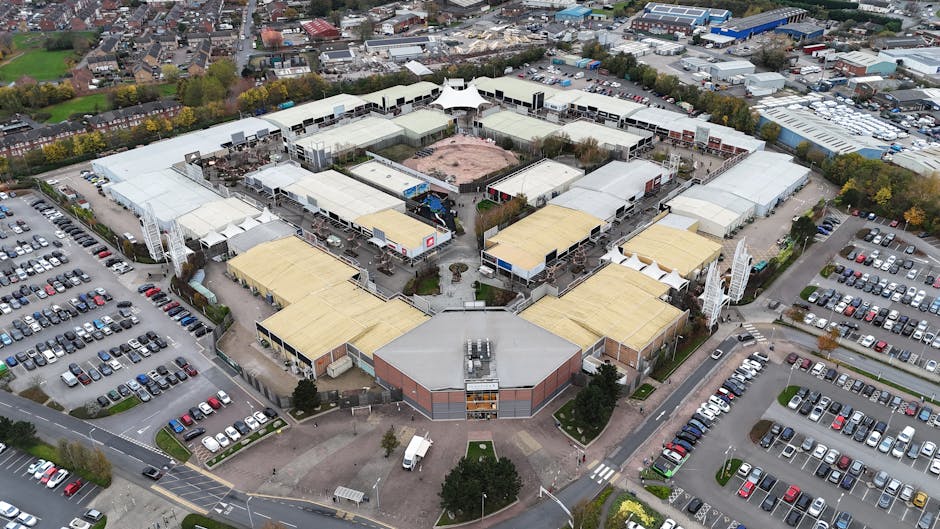
The Glades shopping centre delivery and store removals Bromley
If you are arranging The Glades shopping centre delivery and store removals Bromley, you are probably juggling a lot at once: access windows, tight loading space, fragile stock, shop fittings, staff schedules, and the simple fact that retail move days rarely run to plan unless someone has thought them through properly. That is the honest version.
This guide explains how deliveries and store removals at The Glades are typically handled, what can go wrong, what makes the process smoother, and how to choose the right support for a commercial move in Bromley. Whether you are moving stock into a unit, taking fixtures out, clearing a retail space, or coordinating a back-of-house delivery, the details matter. A lot more than people expect, to be fair.
For retailers, landlords, fit-out teams, and managers, the goal is not just "get it there". It is get it there safely, on time, without upsetting trading, neighbours, or the building. That is where proper planning and a reliable removal partner make all the difference.
Contents
- Why The Glades shopping centre delivery and store removals Bromley Matters
- How The Glades shopping centre delivery and store removals Bromley Works
- Key Benefits and Practical Advantages
- Who This Is For and When It Makes Sense
- Step-by-Step Guidance
- Expert Tips for Better Results
- Common Mistakes to Avoid
- Tools, Resources and Recommendations
- Law, Compliance, Standards, or Best Practice
- Options, Methods, or Comparison Table
- Case Study or Real-World Example
- Practical Checklist
- Conclusion
- Frequently Asked Questions
Why The Glades shopping centre delivery and store removals Bromley Matters
The Glades is a busy retail environment, and busy places have their own rhythm. Vehicles need to arrive when access is open, goods need to move quickly, and the people doing the work need to understand the difference between a normal house move and a commercial retail job. That difference is bigger than it sounds.
Store removals in a shopping centre are about more than moving boxes. They often involve shop stock, rails, shelving, mannequins, signage, displays, till equipment, packaging waste, and sometimes bulky fittings that do not fit neatly into a standard van. If you are clearing a unit or receiving a delivery, the building rules and loading arrangements matter just as much as the items themselves.
There is also the timing issue. Retail spaces usually have limited flexibility. Deliveries may need to happen before opening, after closing, or in a narrow maintenance window. Miss that window and you may end up waiting around with a van full of stock, which is nobody's idea of a good morning.
Handled well, though, it is straightforward. A well-organised team can reduce disruption, protect stock, and help store teams keep trading or prepare a unit for handover with far less stress. That is why the topic matters: it is operationally small on paper, but commercially important in practice.
How The Glades shopping centre delivery and store removals Bromley Works
Most shopping centre delivery and removal jobs follow a similar pattern, even if the details vary by unit size, store type, or the amount of stock involved. In simple terms, the process is about pre-booking, access control, careful loading, safe handling, and clear communication.
First, the retailer or project lead identifies what is moving and when it needs to happen. Then the logistics are matched to the building requirements. That may include a loading bay booking, time restrictions, lift access, trolley use, and a route from vehicle to unit that avoids public areas where possible. In a place like The Glades, those details are not optional.
For store removals, the team may also need to dismantle lightweight fixtures, bag loose items, protect fragile stock, label what is leaving and what is staying, and separate reusable items from waste. That is why commercial moves are usually planned differently from domestic removals. There are more moving parts, and more people involved.
If the job is a smaller delivery or a partial clearance, a flexible man and van style service may be enough. For larger stock transfers or more complex clear-outs, you may need something closer to a full removal services setup with extra hands, a larger vehicle, and better handling capacity.
One thing people often miss: the vehicle is only one part of the job. What matters just as much is the person on site who knows how to manage the load, communicate with centre staff, and keep the work calm when the clock is ticking. That calmness matters. More than a fancy spreadsheet, in many cases.
Key Benefits and Practical Advantages
Using a professional team for The Glades shopping centre delivery and store removals Bromley can save time, reduce damage, and make the whole move feel far less chaotic. The benefits are practical, not theoretical.
- Less disruption to trading: Good planning means fewer interruptions to customers, staff, and neighbouring units.
- Better handling of stock and fittings: Retail items are often awkward, branded, fragile, or expensive to replace.
- Faster turnaround: Coordinated loading and unloading can keep the job within the access window.
- Reduced risk of damage: The right blankets, straps, trolleys, and packing methods can prevent avoidable issues.
- Clearer responsibility: When one team manages the logistics, there is less confusion about who is doing what.
- Better waste handling: Old displays, packaging, and unwanted items can be separated more efficiently, especially if you are using furniture pick up or arranging a clearance alongside the move.
There is also a less obvious benefit: confidence. Retail managers can focus on staff, merchandising, and opening times instead of chasing van arrivals and wondering where the trolley went. It sounds small, but anyone who has tried to launch a store changeover knows how much mental energy that saves.
If sustainability matters to your brand, it helps too. Sorting reusable items from waste and planning a responsible handover aligns neatly with recycling and sustainability principles, especially during shop refits or end-of-lease clearances.
Who This Is For and When It Makes Sense
This kind of service is useful for a lot more people than just shop managers. If the job involves moving goods in or out of a retail unit, it is probably relevant.
- Retail store managers arranging deliveries before opening or removals after closing.
- Franchise operators coordinating multiple stock drops, seasonal changes, or refurbishments.
- Shop fit-out teams moving fixtures, tools, and materials in a controlled way.
- Landlords and letting agents handling end-of-tenancy clearances or unit handbacks.
- Visual merchandising teams moving display items, props, and shelving.
- Small businesses transferring stock between Bromley sites or nearby locations.
It also makes sense when the job is time-sensitive. For example, a unit might need to be cleared by a certain hour so the next contractor can start. Or stock may need to arrive just before a promotional reset, when the store is quiet and staff are ready to unpack quickly.
If you are moving office stock, paperwork, or back-office equipment rather than retail display items, a more suitable option may be office relocation services. Not every commercial move is the same, and the right approach really depends on what is being moved.
Sometimes people ask if they need a large removal company for a small job. Not always. A compact moving van or man with a van can be the smarter choice when access is tight and the load is modest. Bigger is not automatically better. You know that feeling when a huge vehicle is overkill for three cages of stock? Exactly.
Step-by-Step Guidance
Here is a sensible way to approach The Glades shopping centre delivery and store removals Bromley without turning it into a last-minute scramble.
- List everything that is moving. Include stock, fixtures, packaging, tools, signage, and anything fragile or awkward.
- Check centre requirements early. Ask about access times, loading locations, lift use, parking restrictions, and escort procedures if applicable.
- Measure the awkward items. Tall displays, long rails, and bulky boxes can cause surprises if you assume they will fit.
- Decide what needs dismantling. Shelving, rails, and modular displays may be easier to remove in parts.
- Label boxes and equipment clearly. Put destination, department, or priority notes on each item.
- Choose the right vehicle and crew. For lighter work, a man with van removal setup may suit. For more complex jobs, consider a larger vehicle and extra movers.
- Protect fragile items. Use wraps, blankets, corner protection, and secure stacking.
- Build in a little time buffer. Things always take longer than the optimistic estimate. Always. Not dramatically longer, but enough.
- Confirm who signs off the job. Make sure the store manager, contractor lead, or site contact knows when the move is complete.
If the job involves a full unit clear-out, you may also need a removal partner who can manage the waste side properly. That is where a broader removal company can be helpful, particularly if you need sorting, loading, and disposal coordination rather than just transportation.
A practical tip from real-world jobs: always keep a small essentials box separate. Tape, scissors, charger cables, keys, cleaning cloths, labels, a pen, and a roll of bin bags can save a surprising amount of time when everyone is tired and the room is half-empty.
Expert Tips for Better Results
There are a few habits that consistently make retail deliveries and store removals smoother. None of them are glamorous, but they work.
- Book the access window before you book the van. The building timetable comes first.
- Pre-sort stock and rubbish. If items are mixed together, you lose time at the worst moment.
- Use a clear chain of command. One decision-maker on site prevents repeated questions and crossed wires.
- Keep walkways clear. A neat route from vehicle to unit reduces slips, bumps, and delays.
- Stack by unload priority. Put the first items off the vehicle closest to the door or on top where safe.
- Protect branding and presentation items. Shopfitting pieces are often more delicate than they look.
- Choose a crew that understands commercial work. Loading a retail unit is not the same as moving a sofa out of a flat in the rain.
For packing support, especially where there are many small items or delicate lines, packing and unpacking services can take a lot of pressure off store teams. That is especially useful during relaunches or seasonal resets, when everything is happening at once and nobody wants to be surrounded by half-open cartons at 7am.
Truth be told, the best jobs often look boring from the outside. That is usually a good sign. The team arrives, the loading is controlled, the paperwork is in order, and the unit is handed over without drama. Lovely, really.
Common Mistakes to Avoid
Most delays and headaches come from the same handful of mistakes. The good news is they are avoidable.
- Leaving access planning too late. If the centre has strict loading rules, last-minute planning can blow the timetable.
- Underestimating volume. Retail stock often takes more space than people think because boxes are irregular and equipment is bulky.
- Ignoring fragile or high-value items. A cracked display can be expensive and awkward to replace.
- Using the wrong vehicle size. Too small means multiple trips; too large can cause access issues or needless cost.
- Not separating waste from reusable stock. This creates clutter and slows everything down.
- Missing the handover details. If the unit needs to be left in a certain condition, document it properly.
- Forgetting insurance and liability questions. Not exciting, but very relevant if something unexpected happens.
Another common issue is assuming everyone on site knows the plan. They usually do not. People are busy, shift patterns change, and small misunderstandings snowball quickly. A short brief at the start of the move can prevent a lot of needless back-and-forth later.
Tools, Resources and Recommendations
You do not need a warehouse full of equipment to run a smooth retail delivery or removal, but a few tools make the work much easier.
| Tool or resource | Why it helps | Best used for |
|---|---|---|
| Label printer or marker set | Keeps stock, departments, and destinations clear | Boxed items, shelves, fixtures |
| Moving blankets and wraps | Reduces scuffs and impact damage | Displays, furniture, delicate surfaces |
| Trolleys and sack trucks | Speeds up safe movement of heavier items | Boxes, stock cages, small fittings |
| Ratchet straps and ties | Helps stabilise loads in transit | Van loads with mixed cargo |
| Inventory list | Stops items being lost between units or vehicles | Any commercial move, especially larger ones |
On the service side, it helps to work with a team that is used to both transport and handling. If you need a broader support package, movers can be a practical choice for structured loading, carrying, and repositioning of stock or equipment.
If you are dealing with bulkier items or higher-volume collections, you might also look at removal van options or even removal truck hire if the job calls for more capacity. The right answer depends on the actual load, not just the label on the service.
Law, Compliance, Standards, or Best Practice
For retail deliveries and store removals, the important thing is to follow safe working practices, building rules, and the normal expectations around commercial transport. You do not need to overcomplicate it, but you do need to take it seriously.
In the UK, employers and contractors generally need to think about manual handling, safe loading, access safety, and insurance cover. For a shopping centre environment, there may also be site-specific rules about delivery hours, visitor safety, loading bay discipline, and waste removal. Those rules can vary, so it is best to confirm them rather than assume.
A few best-practice points are worth remembering:
- Use proper lifting and carrying technique.
- Keep routes clear and dry where possible.
- Secure loads so they do not shift in transit.
- Separate sharp, fragile, or breakable items.
- Carry out a quick risk check before work starts.
- Make sure insurance arrangements are appropriate for the job.
If you want reassurance on coverage and handling standards, it is sensible to review insurance and safety information before booking. Likewise, if you want to understand how the business handles customer expectations and service terms, terms and conditions are worth a look.
For commercial clients, compliance is not about ticking boxes for the sake of it. It is about showing that the job was done properly, safely, and with respect for the building and the people using it. That is the standard worth aiming for.
Options, Methods, or Comparison Table
Different jobs need different levels of support. The best option depends on volume, timing, access, and how much handling is involved.
| Option | Best for | Typical strengths | Watch-outs |
|---|---|---|---|
| Man and van | Small deliveries, light removals, quick transfers | Flexible, efficient, often ideal for tight access | Limited capacity for large fixtures or bulky stock |
| Removal van | Medium-sized store moves or clear-outs | More space, better for mixed loads | May still need extra hands for heavier items |
| Full removal service | Larger retail moves, end-of-lease removals, refits | Structured handling, better for coordinated jobs | Needs clearer planning and access management |
| Commercial move team | Multi-stage deliveries or complex store operations | Most suitable for business-critical work | Requires more detailed briefing and scheduling |
For many retailers, a smaller move is perfectly manageable with a man with van style approach. For a bigger stock reset or a full store strip-out, a stronger commercial setup is usually the safer bet. It is not about being fancy; it is about matching the job properly.
If the work is mainly on the domestic side but you still want a local, efficient solution, you can compare it with home moves or house removals to understand how different the handling needs are. Retail jobs tend to be more time-critical and more logistically rigid.
Case Study or Real-World Example
Imagine a Bromley retailer preparing for a store refresh. The team needs new display units delivered early in the morning, old shelving removed, and a small amount of stock shifted into temporary storage. Nothing huge, but enough to cause headaches if poorly managed.
Instead of leaving it to the store team alone, the manager books access in advance, labels all incoming and outgoing items, and uses a crew that understands commercial loading. The van arrives on time, the route from loading bay to unit is kept clear, and the heavier display pieces are wrapped before they move. The old fixtures are separated for reuse and waste, and the store is ready before customers arrive.
The difference? Less chaos, less wasted time, and fewer "where has that gone?" moments. A simple job, done properly, can feel almost quiet. Almost.
On a similar job, a retailer may decide to use man and van removals for the smaller clearances and then bring in a broader removals team for heavier fixtures. That mixed approach is often the most cost-conscious without cutting corners.
Practical Checklist
Use this checklist before the move day. It is simple, but it catches a lot of the usual problems.
- Confirm the delivery or removal date and access window.
- Check any centre-specific entry, parking, and loading requirements.
- Make a list of all items to move, remove, or dispose of.
- Measure bulky or fragile items.
- Label boxes, fixtures, and priority items clearly.
- Separate stock, waste, and reusable fittings.
- Arrange packing materials and protective wraps.
- Choose the right vehicle size and crew.
- Identify the site contact responsible for sign-off.
- Review insurance, safety, and terms before work begins.
- Keep an essentials kit on site for the day.
- Allow a small buffer for delays. You will thank yourself later.
If your move also involves household or mixed-use items, it may help to compare the approach with house movers or house removalists. The planning habits are similar, even if the context is very different.
Conclusion
At its best, The Glades shopping centre delivery and store removals Bromley should feel controlled, efficient, and calm. That is the real goal. Not just movement, but movement with less stress, less damage risk, and less disruption to trading.
Whether you are delivering new stock, clearing a unit, shifting fixtures, or coordinating a full commercial handover, success usually comes down to three things: clear access planning, the right vehicle and crew, and good communication on the day. Get those right, and the job becomes much easier than it first appears.
And if it still feels like a lot? That is normal. Commercial removals can be messy on paper, but with the right support they become manageable, even routine. One step at a time.
Get a free quote today and see how much you can save.
For a service provider you can trust, learn more about the team behind the work before you book. It is often the quickest way to feel confident that your move is in sensible hands.
Frequently Asked Questions
What does The Glades shopping centre delivery and store removals Bromley usually include?
It usually covers the transport, handling, loading, and unloading of retail stock, fixtures, fittings, display items, or clearance materials. Depending on the job, it may also include packing support, dismantling light fittings, and waste separation.
Do I need special access arrangements for a shopping centre delivery?
Most likely, yes. Shopping centres often have set loading times, vehicle access rules, and routes that need to be followed. It is best to confirm these in advance so the vehicle arrives at the right place, at the right time.
Is a man and van service enough for store removals?
Sometimes. If the load is small and access is straightforward, a compact service can be ideal. For larger fixtures, heavier stock, or more complex clear-outs, a bigger removal setup may be safer and more efficient.
Can you move shop fixtures as well as stock?
Yes, in many cases. Lightweight shelving, rails, signage, and modular displays can often be moved if they are properly prepared and protected. Very heavy or fixed items may need a different approach.
How far in advance should I book a delivery or removal?
As early as you reasonably can. The earlier you book, the easier it is to align access, staffing, and vehicle size. That matters even more during busy trading periods or refurbishment windows.
What should I do with unwanted shop furniture or display items?
Separate what can be reused, recycled, or collected. If you are clearing out old items, a furniture pick-up or broader clearance service can help keep the process tidy and practical.
How do I avoid damaging stock during a retail move?
Use proper wrapping, label fragile items, pack boxes sensibly, and avoid overloading them. It also helps to keep the load stable in the vehicle and to avoid rushing the handling stage.
Do commercial moves need different planning from home moves?
Yes. Commercial moves usually have stricter timing, more site rules, and more pressure around trading continuity. A domestic approach is rarely enough on its own, even if the job looks small.
What if my job includes office equipment too?
Then it may be worth looking at office relocation support, especially if the move involves desks, IT equipment, files, or furniture alongside retail stock. Mixing the two is common, but it needs clear planning.
How can I make the move day less stressful for staff?
Give everyone a clear brief, assign one main contact, label everything properly, and keep a small essentials kit nearby. A little structure goes a long way, especially before opening hours.
What should I check before hiring a removal company?
Check experience, suitability for commercial work, insurance arrangements, safety practices, and whether the service matches the size of the job. It is also wise to review pricing and how quotes are handled so there are no surprises later.
Are there any sustainability considerations for store removals?
Yes. Reusing fixtures, separating waste, and reducing avoidable disposal can make a meaningful difference. If sustainability matters to your business, ask how the move will be handled from that angle before you confirm the booking.